If you’ve spent any time reading about coffee online, you’ve probably noticed one thing:
Everyone seems to be using a coffee scale.
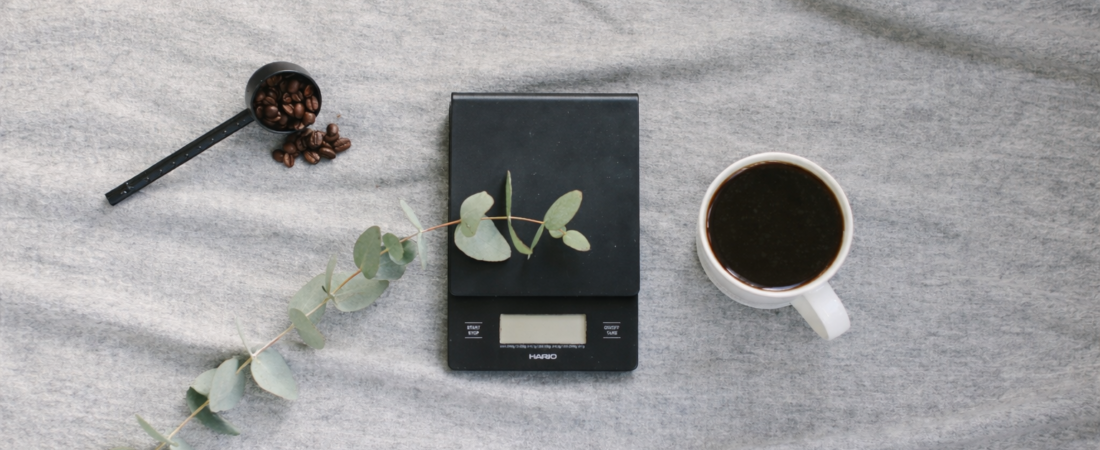
Beans on a scale. Cups on a scale. Even mugs sitting on tiny digital displays.
So it’s natural to wonder:
Do you need a coffee scale as a beginner — or is this just another thing you’re “supposed” to buy?
Here’s the calm, honest answer:
No, you don’t need a coffee scale to make good coffee at home.
But in the right situation, it can make things easier and more consistent.
This guide will help you decide — without pressure, jargon, or overthinking.
Do You Need a Coffee Scale? The Short Answer for Beginners
- You can make great coffee without a scale
- A scale helps with consistency, not flavour magic
- A scale is not required for beginners
If you’re happy with how your coffee tastes, you don’t need to change anything.
What a coffee scale actually does (in plain language)
A coffee scale doesn’t make your coffee better on its own.
What it does is help you repeat the same result.
Instead of guessing:
- “Was that more coffee than yesterday?”
- “Did I pour more water this time?”
A scale simply lets you say:
“This worked yesterday — I’ll do the same today.”
That’s it.
No formulas.
No barista tricks.
Just less guessing.
Why coffee content makes scales look mandatory (when they aren’t)
One reason beginners feel confused is because most coffee content online is created by:
- cafés
- professionals
- enthusiasts who brew coffee as a hobby
In those environments:
- consistency matters at scale
- recipes are shared publicly
- small changes have bigger consequences
So scales show up everywhere — not because coffee is impossible without them, but because they support repeatable systems.
At home, as a beginner:
- you’re brewing for yourself
- taste preference matters more than precision
- enjoyment matters more than optimisation
That context often gets lost.
When a coffee scale can help beginners
A scale is most useful if you relate to one or more of these:
You want your coffee to taste similar each morning
If your coffee tastes great one day and disappointing the next, a scale can remove some of the guesswork.
You brew one cup at a time
Small brews exaggerate small differences. A scale can help smooth that out.
You’re adjusting strength gently
If your coffee is sometimes too strong or too weak, a scale lets you change things gradually instead of guessing.
You enjoy calm routines
Some people like knowing exactly what they’re doing — not because it’s advanced, but because it’s reassuring.
Common myths beginners hear about coffee scales
Let’s clear up a few things you may have heard.
“You can’t make good coffee without a scale.”
Not true. People made excellent coffee long before digital scales existed.
“Precision automatically means better taste.”
Precision helps with repeatability, not flavour quality by itself.
“All serious coffee drinkers use a scale.”
Many do — many don’t. Plenty of people brew by feel and are perfectly happy.
“If I don’t use a scale, I’m doing it wrong.”
There is no “wrong” if you enjoy what’s in your cup.
When you don’t need a coffee scale
You probably don’t need a scale if:
You’re using pods or capsules
The machine already controls everything.
You’re happy scooping and eyeballing
If your coffee tastes good to you, there’s no problem to solve.
You’re still figuring out what coffee you like
At this stage, beans and brew method matter far more than precision.
Understanding freshness matters more than measuring precisely. Coffee doesn’t suddenly go bad — flavour fades gradually over time. This guide on how long coffee beans stay fresh explains what actually changes, and how much it really matters for beginners.
You don’t want another gadget on your counter
That’s a valid reason on its own.
Coffee scale vs scoop: what’s the real difference?
This isn’t about right or wrong — just trade-offs.
A scoop:
- Faster
- Less equipment
- Slightly less consistent
A scale:
- Adds a few seconds
- More repeatable
- Easier to adjust intentionally
Neither choice makes you more or less “serious” about coffee.
How a scale fits different brew methods (light overview)
You don’t need technique here — just context.
- Drip coffee: A scale can help with consistency, but many beginners do just fine without one.
- Pour-over: A scale can be more helpful here because the process is more hands-on.
- French press: A scale can help, but eyeballing often works well too.
Notice the pattern:
The more hands-on the brew method, the more a scale can help — but it’s still optional.
A common beginner mistake
Many beginners buy a scale before they’ve settled into a brewing routine.
Instead of helping, it can make coffee feel:
- technical
- fussy
- stressful
If you’re still asking:
“Do I even like this brew method?”
Then a scale isn’t urgent.
A better way to decide (simple test)
Ask yourself one question:
“Do I want my coffee to taste more consistent, or am I still experimenting?”
- Experimenting → wait
- Want consistency → a scale might help
No overthinking required.
If you do decide to get a scale
You don’t need:
- Bluetooth
- Apps
- Brewing modes
- Laboratory precision
You just need something that:
- turns on quickly
- is easy to read
- doesn’t complicate your routine
(Internal link later: Best Coffee Scales for Beginners)
FAQs
Will a coffee scale make my coffee taste better?
Not directly. It helps with consistency, which can support better results over time.
Do cafés use scales?
Yes — for consistency. Not because coffee tastes bad without them.
Can I start without a scale and add one later?
Absolutely. Many people do.
Is a scale more important than better beans?
No. Beans you enjoy matter more than precision. A simple setup starts with choosing coffee you actually like. This beginner guide on how to choose coffee beans without overthinking explains how to pick coffee confidently without getting stuck in details.
The calm recommendation
A coffee scale is a support tool, not a requirement.
You don’t graduate to “better coffee” by buying one.
You get there by learning what you enjoy — and repeating it.
Many experienced home brewers still make coffee without a scale, because they’ve learned what works for them.
If a scale helps with that, great.
If it doesn’t, you’re not missing out.
Where this fits in your setup
If you’re building a simple beginner setup:
- drip coffee maker
- beans you like
- mug you enjoy
A scale is optional.
If you later want to tighten things up:
- a scale can help
- but only if it feels useful, not obligatory
If you want to see how a scale fits into a simple beginner setup, this beginner coffee brewing gear checklist shows what matters first — and what can wait.