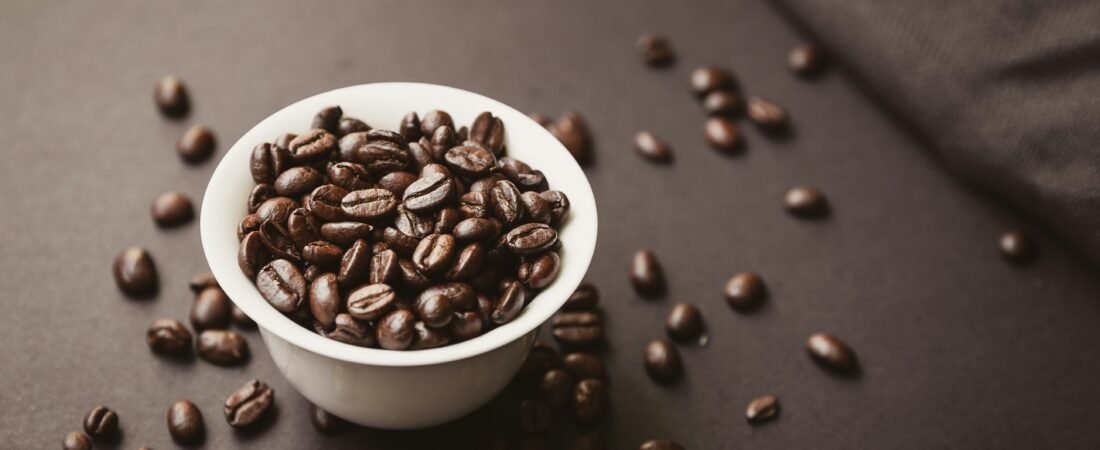
Choosing coffee beans shouldn’t feel stressful — but for many beginners, it does. This guide explains how to choose coffee beans without overthinking, especially if you’re just getting started.
You walk into a store or open an online shop and suddenly you’re faced with roast levels, tasting notes, origins, processing methods, and bold claims about flavour. It’s easy to feel like you’re supposed to “know” what all of this means — and easy to worry about making the wrong choice.
Here’s the reassuring truth:
You don’t need expert knowledge to choose good coffee beans as a beginner — just a few simple filters and permission to ignore the rest.
This guide shows you how to choose coffee beans calmly and confidently, without jargon, pressure, or overthinking.
Why Coffee Bean Choice Feels Overwhelming for Beginners
Most beginner stress comes from information overload, not from bad beans.
Coffee marketing often focuses on:
- Complex tasting notes
- Exotic origins
- Precise brewing rules
- “Perfect” flavour profiles
That creates the impression that one wrong decision will ruin your coffee.
In reality, bitterness, sourness, or overly strong coffee is usually caused by brewing variables rather than the beans themselves.
Most taste issues are resolved by simple brewing adjustments, not by changing coffee.
Once you’ve found beans you enjoy, using a beginner-friendly drip coffee maker makes it much easier to brew consistently without adding extra complexity.
Good coffee is forgiving. You don’t need to get everything right.
The One Question That Simplifies How to Choose Coffee Beans
Instead of asking:
“What are the best coffee beans?”
Ask this instead:
“What kind of coffee do I want to enjoy right now?”
That single shift removes pressure.
You’re not choosing forever beans.
You’re choosing today’s coffee.
Step 1: Start With Roast Level (Ignore Everything Else for Now)
Roast level matters more than origin, brand, or flavour notes when you’re starting out.
Here’s the simplest breakdown:
Medium Roast — Safest Starting Point
- Smooth and balanced
- Forgiving of brewing mistakes
- Works with most brew methods
Medium roast offers the most forgiving starting point for beginners and is the easiest place to begin.
Light Roast — Cleaner, Brighter (Less Forgiving)
- Fresher, lighter flavour
- Can taste sour when brewed too quickly
- Better once grind size adjustments feel familiar
Light roast coffee has a cleaner, brighter flavour that becomes easier to enjoy once you’re comfortable adjusting your brew.
Dark Roast — Bold but Less Forgiving
- Stronger, heavier flavour
- Can taste harsh when over-brewed
- Appeals to people who enjoy intensity
Dark roast coffee delivers bold, heavy flavours but can become bitter when pushed too far.
When in doubt, medium roast remains the calm, low-risk option.
Step 2: Choose Familiar Flavours, Not “Interesting” Ones
When reading coffee descriptions, look for comfort words, not excitement words.
Beginner-friendly flavour terms include:
- Chocolate
- Caramel
- Nutty
- Smooth
- Balanced
Approach with caution when descriptions emphasise:
- Very bright
- Funky
- Wine-like
- Highly acidic
- Experimental
Those flavours can be enjoyable later — but they’re less forgiving while you’re learning.
Tasting notes are suggestions, not requirements.
Step 3: Don’t Overthink Origin
You don’t need to memorise coffee regions.
As a general guide:
- Brazil → smooth, nutty, low acidity
- Colombia → balanced and approachable
- Central America → clean and mild
These regions tend to produce coffees that taste familiar and easy to enjoy.
That’s enough to know for now.
Step 4: Whole Bean or Ground — Pick What Fits Your Life
There’s no “correct” answer here.
Whole Beans
- Stay fresh longer
- Taste better over time
- Best suited to those with a grinder
Ground Coffee
- More convenient
- Goes stale faster
- Completely acceptable without a grinder
Grinding coffee should support your routine, not give you something else to overthink.
Good coffee that fits your life beats perfect coffee that feels like work. The same principle applies to gear — precision tools can help later, but they aren’t required at the beginning. This guide explains whether you actually need a coffee scale as a beginner, and when it’s worth adding one.
Step 5: Buy Small, Not Perfect
One of the biggest beginner mistakes is buying large bags too early.
A calmer approach works better:
- Buy smaller amounts
- Stick with one coffee for a while
- Adjust brewing before changing beans
Consistency teaches more than variety.
Taste issues are usually solved by adjusting brewing before switching beans.
What You Can Safely Ignore (For Now)
You do not need to worry about:
- Processing methods
- Micro-lots
- Competition-level scoring
- Exotic varietals
- “Limited edition” hype
Those details matter later — not at the beginning.
A Reassuring Rule for Beginners
Remember this:
Good beginner coffee is smooth, forgiving, and repeatable.
Coffee that tastes okay and fits your routine is a good choice — even if it isn’t “special.”
There is no failure here. Only feedback.
Why Overthinking Actually Makes Coffee Worse
When beginners constantly switch beans, they never learn:
- How grind size affects flavour
- How brew time changes strength
- What they personally enjoy
Simplicity builds confidence.
Confidence makes coffee better.
Final Takeaway
Choosing coffee beans doesn’t require expertise.
Start with:
- A forgiving roast
- Familiar flavours
- A routine you can repeat
Ignore the noise.
Trust your taste.
When coffee feels easier, that’s success.